
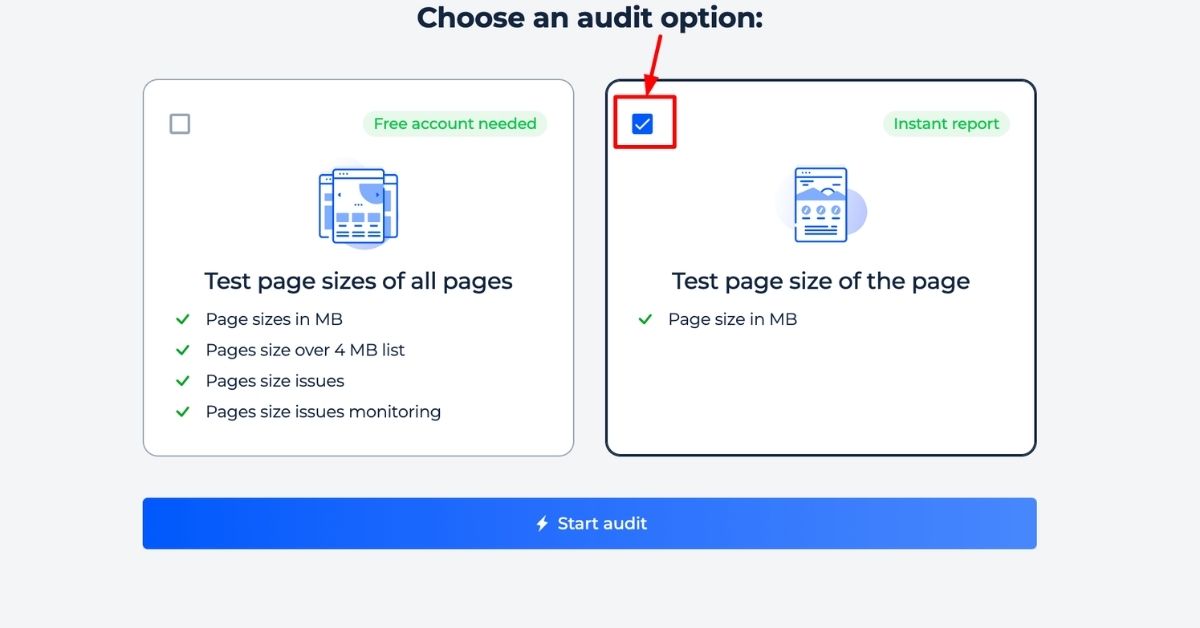
Page size checker SpellMistake is a simple online tool that lets you check the total size of a webpage (in KB or MB), analyze resource weight (images, CSS, JavaScript), and understand how page size impacts website speed, SEO rankings, and user experience.
In most cases, it fetches your URL, calculates total page weight, and shows how different elements contribute to load performance—helping you keep your site under the recommended 500 KB–2 MB range for optimal results.
What Is Page Size Checker SpellMistake?
A page size checker is a web performance tool used to measure the total weight of a webpage, including all files such as images, scripts, and stylesheets. The SpellMistake page size checker focuses on delivering quick insights into how heavy a page is and whether it meets modern SEO standards.
In simple terms, page size = total data downloaded when a page loads. This includes:
- Images and media files
- CSS and JavaScript files
- Fonts and external resources
Understanding this helps you optimize for faster load times and better Core Web Vitals scores.
How Page Size Checker Works (Step-by-Step Guide)
Entering a URL and Fetching Data
You input a webpage URL into the tool. The system then:
- Sends a request to the server
- Downloads page resources
- Calculates total data transfer
This process typically takes just a few seconds.
Measuring Page Size (KB, MB)
The tool displays:
- Total page size (e.g., 1.8 MB)
- Breakdown by file type
| Resource Type | Contribution |
| Images | 60% |
| JavaScript | 25% |
| CSS | 10% |
| Other | 5% |
Understanding the Results Output
The results help identify:
- Heavy elements slowing your site
- Opportunities for optimization
- Whether your page exceeds 2 MB recommended size
Why Page Size Matters for SEO and Website Performance
Impact on Page Load Speed
Google recommends pages load within 2–3 seconds. Pages above 3 MB often exceed this threshold.
“A delay of even 1 second can significantly reduce conversions and increase bounce rates.”
Connection with Core Web Vitals
Page size directly affects:
| Metric | Ideal Value |
| LCP (Largest Contentful Paint) | Under 2.5 seconds |
| FID (First Input Delay) | Under 100 ms |
| CLS (Cumulative Layout Shift) | Under 0.1 |
Effect on User Experience
- Faster pages improve engagement
- Slow pages increase bounce rate by 32% after 3 seconds
- Mobile users are especially sensitive to load delays
Ideal Page Size for SEO (Benchmarks & Standards)
Recommended Page Size
| Category | Ideal Size |
| Lightweight pages | Under 1 MB |
| Standard pages | 500 KB – 2 MB |
| Heavy pages | Above 3 MB |
What Happens If Page Size Exceeds 3MB
- Slower load times
- Poor Core Web Vitals
- Lower search rankings
Desktop vs Mobile Optimization
Mobile pages should stay under 1.5 MB to ensure smooth performance on slower networks.
How to Use Page Size Checker SpellMistake Tool
Step-by-Step Usage Guide
- Enter your website URL
- Click “Check Page Size”
- Review total size and breakdown
- Identify heavy elements
Example: Checking a Website
| Metric | Result |
| Page Size | 2.8 MB |
| Load Time | 4.2 seconds |
| HTTP Requests | 120 |
This indicates a need for optimization.
Common Errors and Fixes
- Large images → compress below 100 KB
- Too many scripts → reduce or defer loading
Key Metrics You Should Analyze Beyond Page Size
HTTP Requests
Ideal range: 50–100 requests Too many requests slow down rendering.
Server Response Time
Fast servers respond within 200–500 ms.
Resource Load Distribution
Balanced distribution ensures better performance.
Page Size vs Page Speed: What’s the Difference?
Many users confuse these two:
| Factor | Page Size | Page Speed |
| Definition | Total data (MB/KB) | Time to load |
| Impact | Affects speed | Direct user experience |
👉 Larger page size usually leads to slower page speed.
Common Causes of Large Page Size
Unoptimized Images
Images above 500 KB can dramatically increase load time.
Heavy JavaScript & CSS
Large scripts:
- Delay rendering
- Increase total page size
Too Many HTTP Requests
Pages with 150+ requests often perform poorly.
How to Reduce Page Size for Faster Loading
Image Compression
Optimizing images can reduce size by 25%–70%.
Minify CSS and JavaScript
Minification reduces file size by 20%–40%.
Enable Compression
Using GZIP or Brotli can reduce page size by 60%–80%.
Use CDN
A Content Delivery Network (CDN) improves load speed by 20%–50%.
Best Alternatives to SpellMistake Page Size Checker
Comparison Table
| Tool | Key Feature |
| Google PageSpeed Insights | Core Web Vitals analysis |
| GTmetrix | Detailed performance reports |
| Page Size Checker | Quick size measurement |
Real Case Study: Before and After Optimization
| Stage | Page Size | Load Time |
| Before | 3.5 MB | 5.5 sec |
| After | 1.2 MB | 2.1 sec |
Mobile Optimization and Page Size
Why Mobile Pages Must Be Under 1.5MB
- Faster loading on mobile networks
- Better user engagement
Mobile Ranking Factors
Google prioritizes:
- Mobile speed
- Responsive design
Technical SEO Tips to Improve Page Performance
Lazy Loading Images
Loads images only when needed.
Async/Defer JavaScript
Prevents blocking page rendering.
Reduce Render-Blocking Resources
Improves perceived load time.
Advanced Optimization Techniques
Resource Prioritization
Load critical resources first.
Critical CSS
Inline essential styles for faster rendering.
Preloading Key Assets
Improves speed for important elements.
Mistakes to Avoid When Optimizing Page Size
- Over-compressing images (loss of quality)
- Removing essential scripts
- Ignoring mobile optimization
Page Size Optimization Checklist
- Keep page size under 2 MB
- Limit HTTP requests to under 100
- Compress images below 100 KB
- Enable caching and compression
Page Size Impact on Crawl Budget & Indexing
Search engines:
- Crawl faster on lightweight pages
- Index optimized sites more efficiently
LEARN MORE: Esports News DualMedia
Bandwidth Cost Savings from Optimization
Reducing page size:
- Saves hosting costs
- Reduces data transfer
Tools Stack for Complete Website Performance Analysis
Combine tools for best results:
- Page size checker
- Speed analysis tools
- Core Web Vitals monitors
Frequently Asked Questions
What is a good page size for SEO?
A good page size is 500 KB to 2 MB.
How do I check my website page size?
Use a page size checker tool online like SpellMistake.
Does page size affect rankings?
Yes, it impacts speed, UX, and Core Web Vitals.
How can I reduce page size quickly?
Compress images, minify code, and enable caching.
Final Verdict: Is SpellMistake Page Size Checker Worth Using?
The page size checker SpellMistake is a quick and effective tool for measuring webpage size and identifying performance issues. It works best as a starting point for optimization.
However, for deeper insights, combining it with advanced tools is recommended.
Key Takeaway
Keep your page size under 2 MB and load time under 3 seconds to stay competitive in SEO rankings.
Optimizing your website using tools like page size checker SpellMistake ensures faster performance, better rankings, and improved user experience.